Understanding the debate
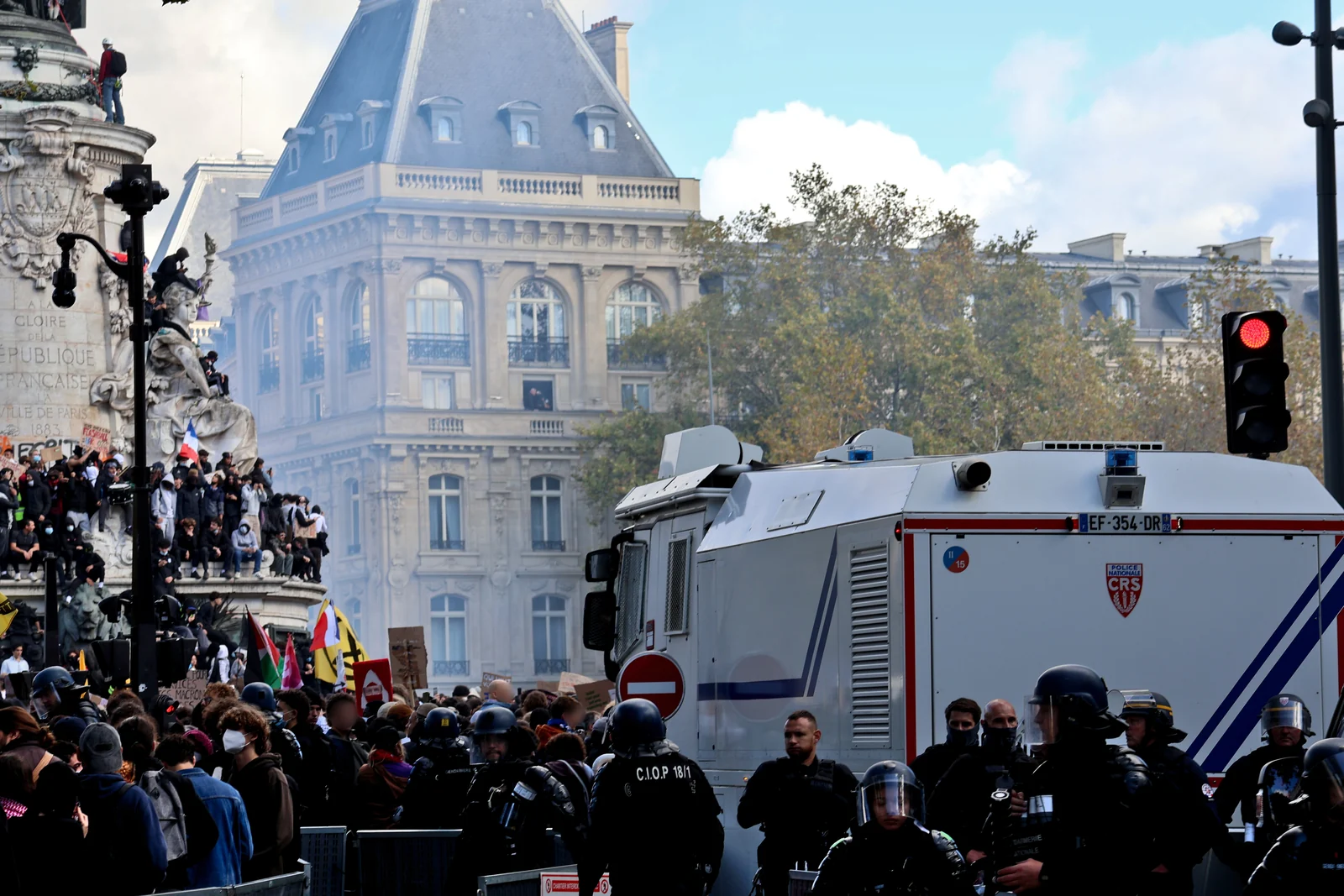
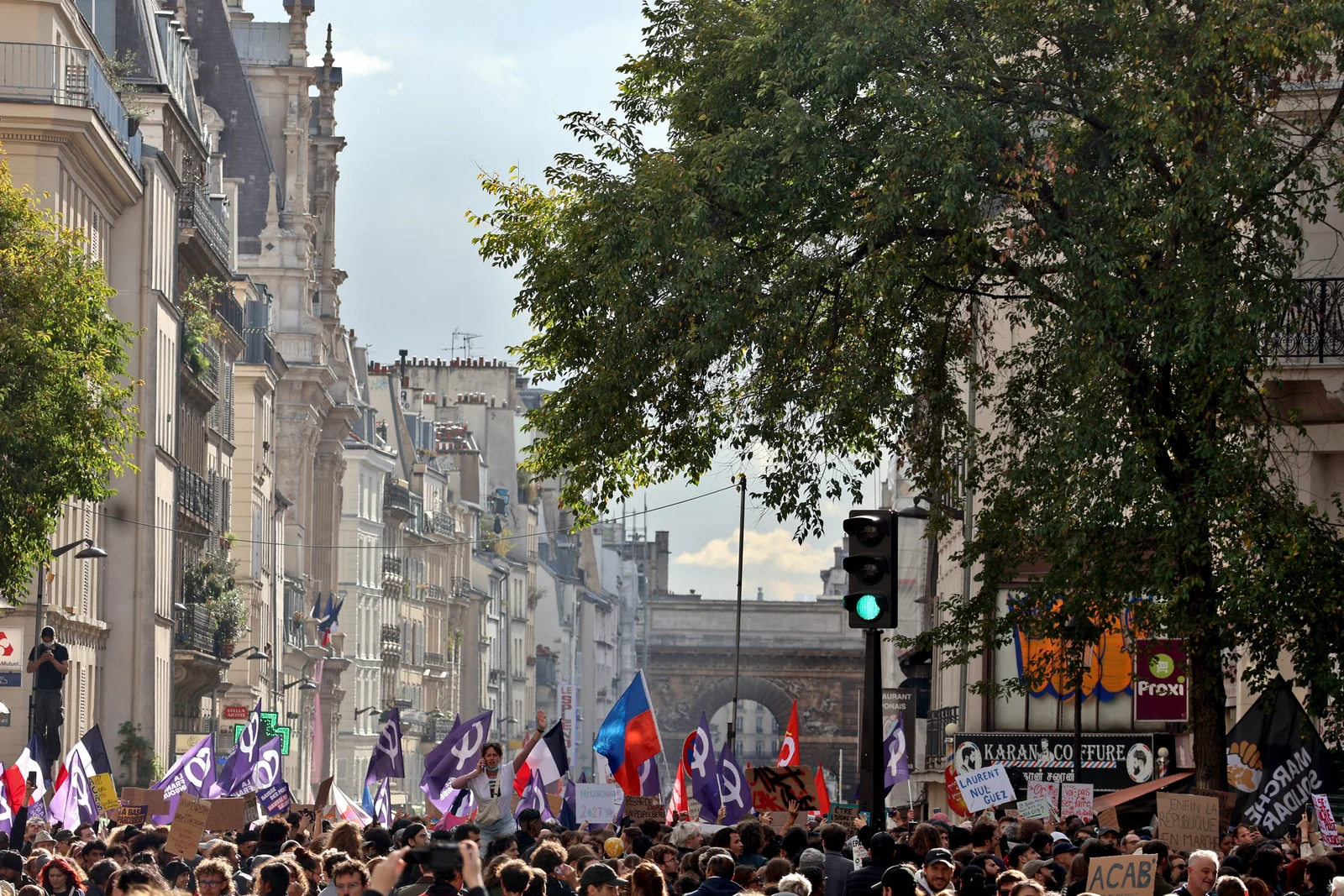
October 17 brought together large processions in several cities, then violence, fires, damage and looting dominated the headlines. Le Monde describes a large-scale mobilization whose end of the day fragmented the convergence sought by the organizers.[1]
The absence of new publications in an old discussion thread therefore does not mean that the subject has disappeared. From October 18, the focus shifted to clean-up, investigations, localized curfews, policing responsibilities, social negotiations and subsequent appeals.[2][3][4]
Why does the event appear to be over in older threads?
The live broadcasts and testimonies of October 17 were linked to a specific day. After its closure, the media opened new articles devoted to the toll, affected businesses, security decisions and political controversies. Only following the update date of a thread from the 17th hides this shift in coverage.[1][2]
National coverage mainly focused on violence and looting. Demands about the cost of living, wages, education and public services have not disappeared, but they are featured more in union communiqués and meeting minutes than in headlines about the damage.[1][6]
Security, prosecution and help for businesses
On October 19, the government presented a response focused on legal proceedings, image analysis, localized curfews and support schemes for affected traders. These measures respond to the consequences of the violence; they do not constitute, in themselves, a response to the social demands of the movement.[2]
In Paris, the City indicates that it has mobilized nearly 2,000 agents to clean the affected neighborhoods and created an emergency unit to support traders. The precise assessment of the damage was still in progress at the time of the audit.[3]
Maintaining order: a responsibility always disputed
The debate concerns the anticipation of the number of participants, the volume of forces engaged and the separation between processions, thugs and looters. The Minister of the Interior defends police action, while a parliamentary commission of inquiry must examine possible failings. Its opening does not prejudge its conclusions.[4]
The government and La France insoumise accuse each other of exploiting or distorting the violence. These statements relate to political conflict; they do not replace either the judicial inquiries or the parliamentary work announced.[5]
October 22 banned in Paris, October 24 still in preparation
The Police Prefecture banned the student demonstration declared for October 22 between Boulevard de l’Hôpital and Bastille. This decision concerns this specific meeting and does not automatically apply to the events announced on the 24th.[4]
For October 24 in Paris, Le Parisien reports two declared routes, including Bastille–Opéra. Statements are made as announcements, but final routes and applicable restrictions remain to be confirmed. November 5 remains the inter-professional deadline supported by several unions.[7][6]
Chronology
Demonstrations, then violence and looting
Large processions take place in several cities; the end of the day is marked by damage and clashes.[1]
The first stories and reports replace the direct ones
The media look back on the progress of the day and the place taken by the violence in the mobilization.[1]
Crisis unit and support systems
The government announces legal measures, localized curfews and aid to affected businesses.[2]
The student demonstration is prohibited
The announced route from Boulevard de l’Hôpital to Bastille is subject to a prefectural ban.[4]
Declared routes, decisions still awaited
Two Parisian declarations are reported by the press; their final form remains to be confirmed.[7]
A new day of strike and demonstrations
Several confederations are calling for this date; participation and effects on services are not yet known.[6]
Demands and positions
GovernmentPublic response after the violence
Emphasizes prosecutions, localized curfews, support for impacted businesses, and law enforcement preparedness.[2]
CGTUnion organization received at Matignon
Affirms that no measures have been announced on the demands and calls for the strike to be extended from November 5.[6]
City of ParisManagement of local consequences
Organizes the cleaning of public spaces and support for affected businesses, while the damage assessment continues.[3]
What is confirmed
The day of October 17 is over, but public measures, parliamentary work, social negotiations and new appeals were published between October 18 and 21.[2][4][6]
In Paris, the student demonstration of October 22 was banned. For the 24th, two declarations are reported without confirmed final routes.[4][7]
What remains to be verified
Definitive responsibilities for the violence and possible failures in maintaining order: the announced investigations and parliamentary work have not been completed.[4]
The final arrangements for October 24 in Paris and in each city, as well as effective participation.[7]
The scale of the November 5 strike and its consequences on transport, schools and public services.[6]
Sources and verifications
- Mobilization of October 17: a crowd of demonstrators, violence and looting
Le Monde · Published on Oct. 18, 2026 · Checked on Oct. 22, 2026
National story of the day. Used to describe the change of phase after the processions, without taking each local assessment as definitive.
- Interministerial crisis unit: situation update from the Prime Minister
French government · Published on Oct. 19, 2026 · Verified on Oct. 22, 2026
Official source of the measures announced after the crisis unit. It sets out the position and action of the government.
- Violence and damage: nearly 2,000 agents mobilized
City of Paris · Published on Oct. 18, 2026 · Checked on Oct. 22, 2026
Municipal source on cleaning, help for traders and the still ongoing assessment of Parisian damage.
- Demonstrations of October 17: ban on October 22 in Paris, parliamentary investigation and aftermath
Le Monde · Published on Oct. 21, 2026 · Checked on Oct. 22, 2026
News feed used for the ban on the 22nd, the commission of inquiry, government statements and the announced educational calendar.
- Demonstration of October 17: between La France insoumise and the government, an increasingly virulent face-to-face
Le Monde · Published on Oct. 21, 2026 · Checked on Oct. 22, 2026
Analysis of the political conflict after the violence. The accusations reported remain attributed to their authors.
- “The strike must take over”: the CGT calls for mobilization on November 5 and after
Le Parisien · AFP · Published on Oct. 21, 2026 · Verified on Oct. 22, 2026
Report published after the meeting in Matignon. The conclusions on the absence of measures are attributed to the CGT.
- October 24 demonstrations in Paris: route, yellow vests, students, unions
Le Parisien · Published on Oct. 21, 2026 · Verified on Oct. 22, 2026
Secondary source on two Parisian declarations. No route is presented here as definitively validated.
Updates
Creation of tracking after October 17. Summary of the consequences, the public response, the debate on maintaining order, the meeting in Matignon and the next dates, with distinction between facts, decisions and positions.
Also read
A useful file for those around you?
Social dialogue: a meeting without announced measures, according to the CGT
After the October 21 meeting in Matignon, the general secretary of the CGT believes that no measures have been announced to respond to the demands of workers and high school students. She calls for broad mobilization and to expand the strike from November 5.[6]
The government also announces a meeting at the Ministry of Education on October 26 to present initial decisions on the high school movement. Until their publication, it is necessary to distinguish the announced timetable from the measures actually adopted.[4]